RevivePack is developing agricultural residue-based molded fiber packaging with circular material planning, responsible sourcing, and manufacturing planning in mind.
Material Pathway
RevivePack is reviewing material sourcing, application, and end-of-life requirements. Current work does not establish a confirmed circular supply chain or compostability pathway.
Agricultural residue streams are being assessed for potential packaging use.
Material preparation and forming requirements remain part of product development.
Formats are reviewed against intended use, food-contact documentation needs, and presentation requirements.
Potential pathways depend on the final material, format, local infrastructure, and acceptance criteria.
No end-of-life outcome is claimed until the relevant pathway and third-party requirements have been reviewed.
Measurable Impact
We are building the data set behind our environmental claims through testing, modeling, and third-party validation as development continues.
Lifecycle modeling is being developed to support responsible environmental documentation as molded fiber formats advance.
Fiber-based formats are being developed as alternatives to selected rigid plastic and foam foodservice packaging applications.
RevivePack is developing feedstock models that repurpose agricultural residues for molded fiber packaging production.
Designed with end-of-life considerations in mind, with validation timelines subject to testing and facility conditions.
Development Priorities
RevivePack's development priorities align with selected circular economy and responsible production objectives.
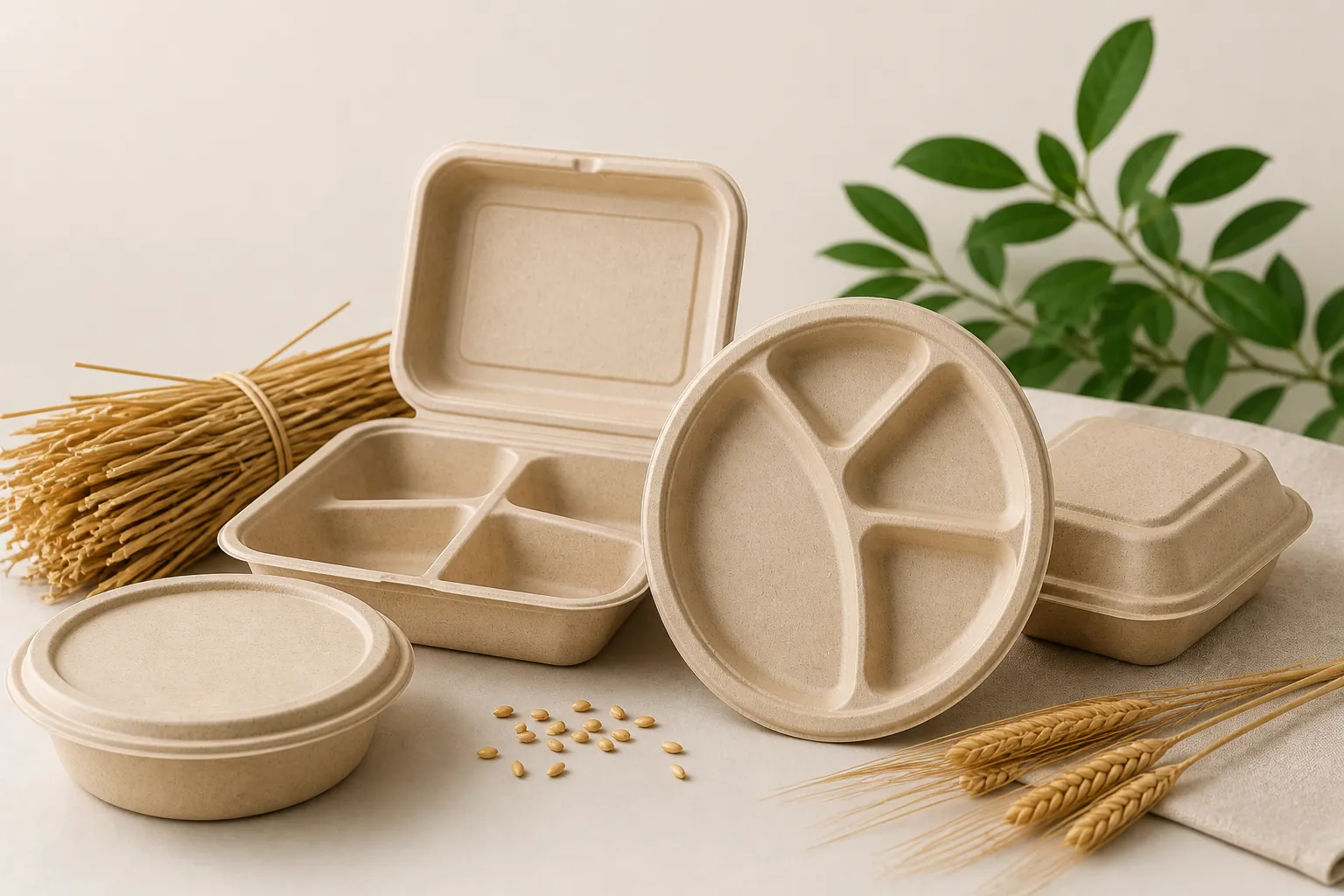
Agricultural Residue Materials
RevivePack is developing agricultural residue-based molded fiber packaging using agri-residue material streams, with additional agricultural fibers under review as development continues.
Our work centers on practical sourcing, material validation, forming performance, and manufacturing planning.
Agricultural suppliers and industrial organizations can contact our team to discuss material sourcing and project requirements.
Documentation Status
Current status: Food-contact documentation and end-of-life review are part of the development work.
Transparency: Testing data and compliance status are shared with customers as appropriate. RevivePack does not claim third-party validation before formal review is complete.